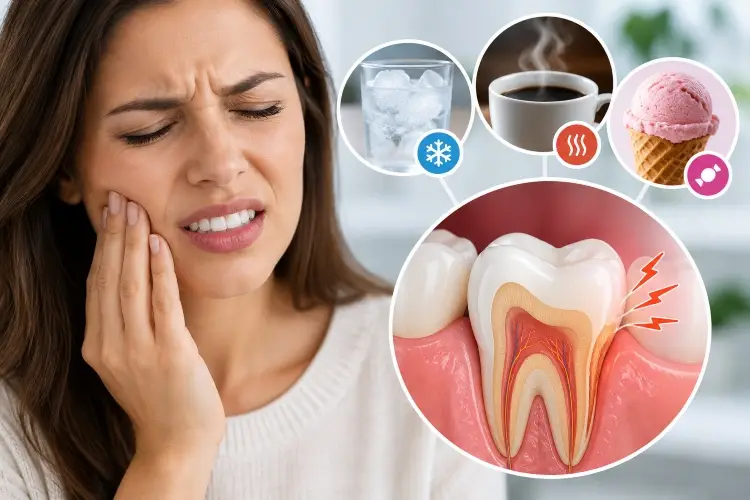
Have you ever felt sharp tooth pain when drinking something cold, enjoying a hot cup of coffee, or eating ice cream? Tooth sensitivity is a common dental concern that can make everyday activities uncomfortable. It often occurs when the protective enamel wears down, or the gums recede, exposing the more sensitive layer beneath the tooth’s surface.
The good news is that the right care can often manage tooth sensitivity. Treatment depends on the cause of the discomfort, so a dental exam matters if your symptoms persist or worsen.
At Bayshore Dental Group, we want patients to understand their oral health and know when to seek professional care. Learning what causes tooth sensitivity and how to treat it can help protect your smile.
What Causes Tooth Sensitivity?
Tooth sensitivity, also called dentin hypersensitivity, usually develops when the inner layer of a tooth, known as dentin, becomes exposed. Dentin contains tiny channels that connect to the tooth’s nerves. When exposed dentin encounters hot, cold, sweet, or acidic substances, it can trigger a brief, sharp sensation of pain.
1. Worn Tooth Enamel
Enamel is the hard outer layer that protects your teeth. Over time, it can wear down because of aggressive brushing, acidic foods and drinks, or other habits.
When enamel thins, the underlying dentin becomes more vulnerable to temperature changes and other triggers.
2. Receding Gums
Healthy gums help protect the roots of your teeth. When gums recede, they expose areas that are not covered by enamel. These exposed root surfaces can be especially sensitive to cold drinks, brushing, and other stimuli.
3. Cavities and Cracked Teeth
Tooth sensitivity is not always caused by general enamel wear. A cavity, cracked tooth, or damaged filling can also lead to discomfort.
You may notice sensitivity in one particular tooth, pain when biting down, or discomfort that continues after eating or drinking. These symptoms deserve attention because the underlying problem may require restorative treatment rather than sensitivity toothpaste alone.
4. Teeth Grinding and Clenching
Grinding or clenching your teeth can place excessive pressure on them. Over time, this may wear down enamel, contribute to cracks, and cause tooth discomfort.
5. Acidic Foods and Drinks
Frequent exposure to acidic foods and beverages can gradually weaken tooth enamel. Common examples include citrus fruits, soda, sports drinks, and vinegar-based foods.
You do not necessarily need to eliminate these foods. However, limiting frequent acid exposure and rinsing with water afterward can help protect your teeth. Wait about an hour after eating or drinking acidic foods or drinks before you brush. This helps prevent brushing softened enamel.
6. Recent Dental Treatments or Teeth Whitening
Some patients experience temporary sensitivity after professional dental treatments or teeth whitening. This discomfort often improves over time, but the duration can vary.
If sensitivity is severe, lasts longer than expected, or worsens, contact your dentist for guidance.
How Can Tooth Sensitivity Be Treated?
The best treatment depends on the underlying cause. Mild sensitivity may improve with changes to your oral care routine.
But cavities, cracked teeth, or gum disease may need professional treatment.
Use Toothpaste for Sensitive Teeth
Desensitizing toothpaste is often a helpful first step. These products contain ingredients that help reduce the transmission of sensations from exposed dentin or otherwise decrease sensitivity.
Use the toothpaste as directed and allow time for it to work. Results may take several applications or days to become noticeable. Look for products with the American Dental Association (ADA) Seal of Acceptance when available.
Brush Gently With a Soft-Bristled Toothbrush
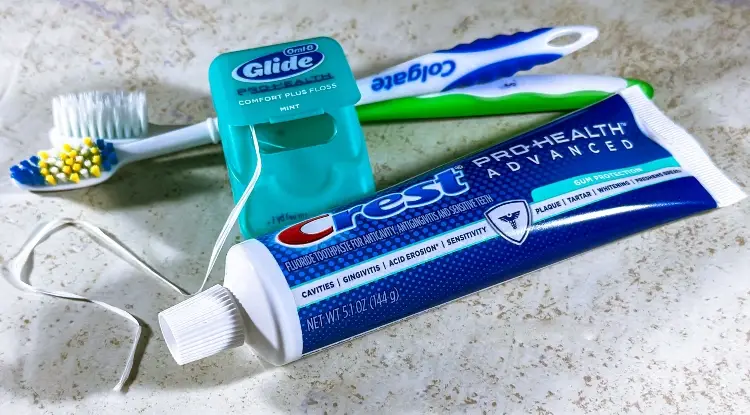
Brushing too hard can contribute to enamel wear and gum recession. Use a soft-bristled toothbrush, gentle pressure, and fluoride toothpaste.
Brush twice daily and clean between your teeth every day. Good oral hygiene reduces the risk of cavities and gum disease, both of which can cause dental discomfort.
Limit Frequent Acid Exposure
Try to reduce how often you sip acidic drinks throughout the day. Drink water after consuming acidic foods or beverages, and avoid brushing immediately afterward.
These habits can help protect enamel from further erosion. Your dentist can also recommend preventive products based on your individual risk.
Consider Professional Fluoride Treatments
Your dentist may recommend fluoride varnish or another professional treatment to help strengthen vulnerable tooth surfaces and reduce sensitivity.
Professional care may help if at-home measures don’t improve sensitivity. The appropriate treatment depends on the condition of your teeth and gums.
Repair Cavities, Cracks, or Damaged Fillings
If sensitivity comes from tooth decay, a crack, or a damaged restoration, you must treat the underlying problem. Depending on the findings, treatment may involve a filling, dental crown, or another restorative procedure.
Sensitivity toothpaste may provide some relief, but it cannot repair a cavity or restore a cracked tooth. An examination helps determine the right treatment.
Treat Gum Recession or Gum Disease
If sensitivity comes from exposed roots or gum disease, your dentist may suggest preventive care or periodontal treatment. The goal is to address the cause, protect exposed surfaces, and maintain healthy gum tissue.
Not every case of gum recession requires surgery. Treatment depends on the severity, the cause, and your overall oral health.
How Can You Prevent Tooth Sensitivity?
Although some causes cannot be avoided completely, a few daily habits can help reduce your risk:
- Brush twice a day with fluoride toothpaste and a soft-bristled toothbrush.
- Floss or clean between your teeth daily.
- Avoid brushing too aggressively.
- Limit frequent exposure to acidic drinks and foods.
- Ask your dentist about a night guard if you grind or clench your teeth.
- Follow professional guidance when using whitening products.
- Keep up with regular dental examinations and cleanings.
Consistent preventive care helps your dentist spot enamel wear, gum recession, and other concerns before they become more serious.
When Should You See a Dentist for Sensitive Teeth?
Occasional, brief sensitivity may improve with changes to your oral care routine. However, schedule a dental exam if the discomfort continues, becomes more frequent, affects one tooth, or interferes with eating and drinking.
Seek prompt dental care for severe or persistent pain, pain when biting, a visible crack, or swelling. Facial swelling accompanied by difficulty breathing or swallowing requires emergency medical care.
A dentist can examine your teeth and gums, assess possible causes, and recommend treatment based on your needs. An early evaluation can prevent a manageable problem from becoming more complicated.
Find Relief From Tooth Sensitivity at Bayshore Dental Group
Tooth sensitivity can make eating, drinking, and brushing uncomfortable, but you do not have to guess what is causing it. Identifying the underlying problem is the first step toward the right treatment and long-term oral health.
Bayshore Dental Group provides comprehensive dental care in Newport Beach, California. If tooth sensitivity is affecting your daily life, our team can help assess your concerns and discuss the right next steps.